UK Garden Styling: Designing a Garden for UK Homes
- Neil Draper

- Mar 8
- 4 min read
Creating a beautiful garden is one of the best ways to enhance your home. A well-designed garden adds charm, value, and a peaceful retreat right outside your door. If you live in St Helens or nearby, you know how important it is to have a garden that suits the UK climate and your lifestyle. I’m here to guide you through the essentials of garden design, focusing on practical tips and ideas that work perfectly for UK homes.
Embracing UK Garden Styling
UK gardens have a unique character. The weather can be unpredictable, so your garden needs to be both attractive and resilient. When I think about UK garden styling, I focus on plants that thrive in our climate, smart use of space, and features that bring year-round interest.
Start with choosing the right plants. Hardy perennials, native shrubs, and seasonal flowers are great choices. They cope well with rain and cooler temperatures. Think about adding evergreens for structure and colour even in winter. For example, box hedges or holly bushes create neat borders and privacy.
Next, consider your garden’s layout and flow. Paths, patios, and seating areas should connect naturally. Use materials like natural stone or brick for a classic UK look. These materials age beautifully and handle wet weather well.
Finally, add some personal touches. Garden ornaments, bird feeders, or a small water feature can make your garden feel welcoming and lively. Lighting is also key. Solar-powered lights along paths or fairy lights in trees create a magical atmosphere in the evenings.
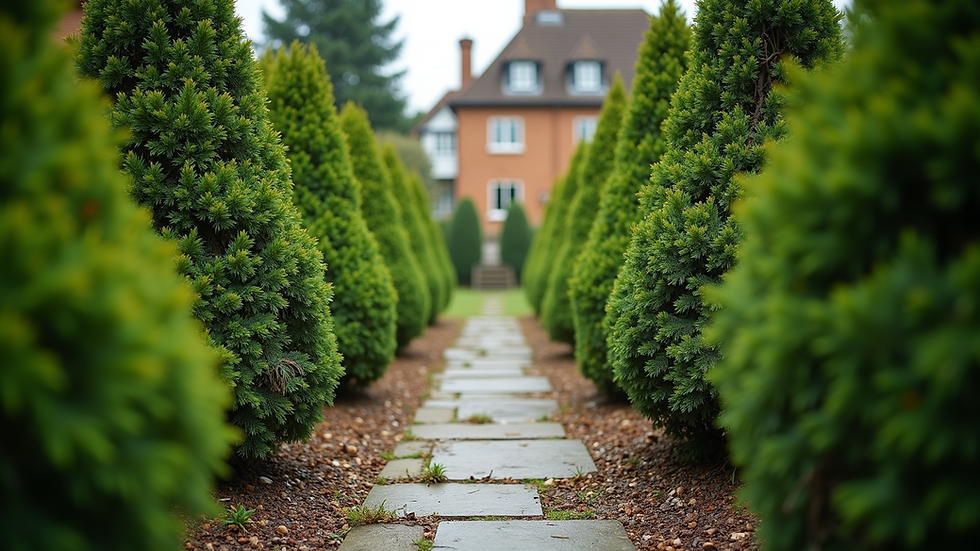
How to Design a Garden Layout in the UK?
Designing a garden layout in the UK means balancing beauty with practicality. Here’s how I approach it:
Assess your space - Measure your garden and note sun patterns, shade areas, and soil type. This helps you decide where to place plants and features.
Define zones - Create areas for dining, relaxing, and gardening. For example, a patio near the house for outdoor meals, a lawn for kids or pets, and a flower bed along the fence.
Plan for all seasons - Choose plants that bloom at different times. Add evergreens and winter-flowering shrubs to keep your garden interesting year-round.
Consider maintenance - If you want a low-maintenance garden, pick hardy plants and use mulch to reduce weeds. Automated irrigation can also save time.
Incorporate storage - A small shed or storage bench keeps tools tidy and your garden clutter-free.
Remember, a good layout makes your garden feel bigger and more inviting. Don’t overcrowd spaces. Leave room to walk and enjoy your garden comfortably.
Choosing the Right Plants for Your UK Garden
Plant selection is crucial. The UK climate means you need plants that can handle wet winters and mild summers. Here are some favourites I recommend:
Lavender - Hardy, fragrant, and great for borders.
Roses - Classic and versatile, perfect for adding colour.
Ferns - Ideal for shady spots.
Hydrangeas - Provide big, beautiful blooms in summer.
Hostas - Great for ground cover and shade.
Mix perennials with annuals for variety. Don’t forget herbs like rosemary and thyme. They’re useful in the kitchen and add lovely scents.
Planting in layers works well. Taller plants at the back, medium in the middle, and low-growing at the front. This creates depth and interest.
Adding Functional Features to Your Garden
A garden isn’t just about plants. Functional features make your outdoor space more enjoyable and practical.
Patios and decking - Perfect for dining and relaxing. Use weather-resistant materials.
Garden lighting - Solar lights are eco-friendly and easy to install.
Water features - Small ponds or fountains add calm and attract wildlife.
Seating areas - Benches, swings, or garden chairs invite you to spend more time outside.
Raised beds - Great for growing vegetables and flowers, especially if your soil is poor.
These features should blend with your garden style. For example, a rustic wooden bench suits a cottage garden, while sleek metal furniture fits a modern look.

Tips for Maintaining Your UK Garden Year-Round
Keeping your garden looking great takes some effort, but it’s worth it. Here are my top maintenance tips:
Spring - Prune shrubs, clear debris, and start planting new flowers.
Summer - Water regularly, deadhead flowers, and mow the lawn.
Autumn - Rake leaves, plant bulbs for spring, and protect tender plants.
Winter - Mulch beds, check for frost damage, and plan next year’s garden.
Use organic compost to improve soil health. Mulching helps retain moisture and suppress weeds. Regularly check for pests and diseases to keep plants healthy.
Making Your Garden Your Favourite Place
A well-designed garden becomes a favourite spot for relaxation and fun. Add elements that reflect your personality and lifestyle. Maybe a hammock for lazy afternoons, a fire pit for cosy evenings, or a vegetable patch for fresh produce.
If you want expert help, local professionals can guide you. They understand the local climate and soil conditions. For example, MW Installations offers quality advice and services to help you create the perfect garden space alongside your home improvements.
For inspiration and expert guidance, check out this garden design uk resource. It’s packed with ideas tailored for UK homes.
Designing a garden is a rewarding project. With the right plan, plants, and features, your garden will be a beautiful, practical extension of your home. Enjoy the process and watch your outdoor space flourish!


Comments