Door Material Comparisons: UPVC vs Composite Doors
- Neil Draper

- Mar 1
- 4 min read
Choosing the right front door can transform your home. It’s the first thing visitors see and the last thing you lock at night. When it comes to picking the perfect door, two popular options stand out: UPVC and composite doors. Both offer great benefits, but they also have their differences. I’ve spent time researching and comparing these two to help you make an informed choice. Let’s dive into the details and see which door material suits your home best.
Understanding Door Material Comparisons: UPVC and Composite
When comparing UPVC and composite doors, it’s important to understand what each material offers. UPVC, or unplasticised polyvinyl chloride, is a type of plastic known for its durability and low maintenance. Composite doors, on the other hand, combine several materials like wood, insulating foam, and glass reinforced plastic to create a strong, secure, and stylish door.
UPVC doors are popular because they are affordable, easy to clean, and resistant to weather damage. They come in a variety of colours and styles, making them a versatile choice for many homes.
Composite doors are designed to mimic the look of traditional wooden doors but with added strength and insulation. They are heavier and more robust, offering excellent security and energy efficiency.
Both door types are great for homeowners looking to improve their property’s appearance and security. However, the choice depends on your priorities like budget, style, and performance.
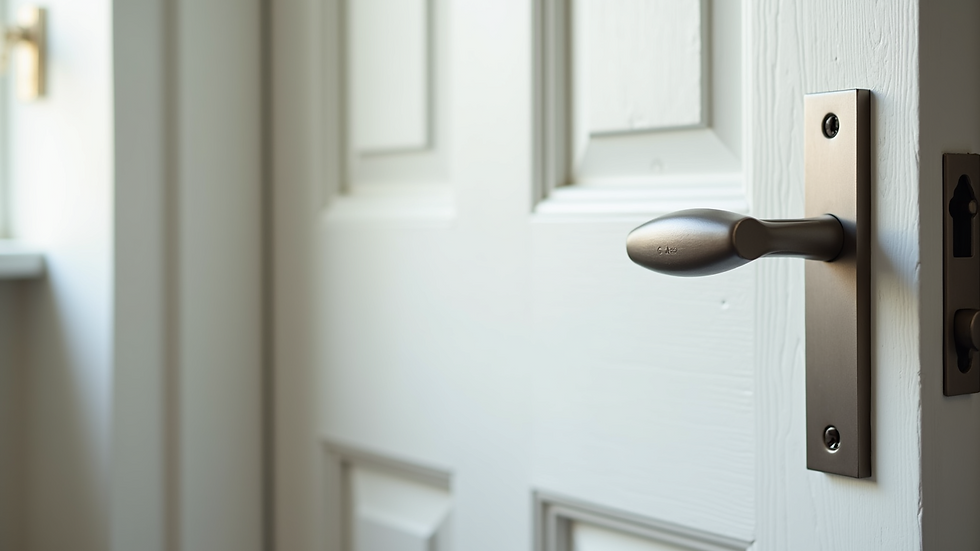
UPVC doors offer a clean, modern look with minimal upkeep.
Key Factors in Door Material Comparisons
When deciding between UPVC and composite doors, consider these key factors:
1. Durability and Maintenance
UPVC doors are tough and weather-resistant. They don’t rot, warp, or rust. Cleaning them is simple - just a wipe with soapy water. Composite doors are even more durable. Their multi-layer construction resists dents, scratches, and fading. They require very little maintenance, usually just a quick clean to keep them looking fresh.
2. Security
Security is a top priority for any front door. Composite doors are generally heavier and come with advanced locking systems, making them harder to break into. UPVC doors also offer good security, especially when fitted with multi-point locks, but they are lighter and may not feel as solid.
3. Energy Efficiency
Both door types provide good insulation, helping to keep your home warm and reduce energy bills. Composite doors often have a slight edge due to their solid core and insulating foam, which can improve thermal efficiency.
4. Style and Appearance
UPVC doors come in many colours and finishes, including wood grain effects. However, they can sometimes look less authentic than composite doors. Composite doors offer a more traditional, high-end look with realistic wood textures and a wide range of designs.
5. Cost
UPVC doors are usually more budget-friendly. Composite doors tend to be pricier due to their materials and construction. However, the extra cost can be worth it for the added durability and style.

Composite doors provide a classic look with modern strength.
What are the disadvantages of a composite door?
While composite doors have many advantages, it’s fair to look at their downsides too.
Higher upfront cost: Composite doors can be significantly more expensive than UPVC doors. This might not suit every budget.
Weight: They are heavier, which means installation can be more complex and might require professional help.
Limited colour changes: Unlike UPVC, composite doors don’t offer as many colour options or easy repainting.
Potential for minor surface damage: Although tough, the outer layer can sometimes chip or scratch if hit hard.
Despite these drawbacks, many homeowners find the benefits outweigh the negatives, especially for long-term value and curb appeal.
Practical Tips for Choosing Your Door
Here are some actionable tips to help you decide:
Assess your budget: If you want a cost-effective solution, UPVC is a solid choice. For a premium look and feel, composite doors are worth the investment.
Think about style: Match your door to your home’s character. Composite doors suit traditional and period homes, while UPVC fits modern designs well.
Consider security needs: If security is a top concern, composite doors offer extra peace of mind.
Check local suppliers: Look for trusted local experts who can provide quality products and professional installation. For example, upvc vs composite doors comparisons from MW Installations can help you find the best fit for your home.
Maintenance preferences: If you want a door that requires minimal upkeep, both options work, but UPVC is slightly easier to maintain.
Final Thoughts on Door Material Comparisons
Choosing between UPVC and composite doors comes down to what matters most to you. Both offer excellent durability, security, and energy efficiency. UPVC doors are budget-friendly and low maintenance, while composite doors provide a premium look and feel with added strength.
If you want a door that stands out and lasts for years, composite doors are a fantastic choice. But if you prefer a practical, affordable option that still looks great, UPVC doors won’t disappoint.
Whichever you choose, investing in a quality door from a trusted local supplier like MW Installations ensures you get the best product and service. Your front door is more than just an entry point - it’s a statement. Make it count.
Ready to upgrade your home with a new door? Explore your options and find the perfect fit for your property today!



Comments